City Outlines Process for Reporting Problems
In response to ongoing questions from residents about how to report neighborhood nuisance issues, Delavan Police Chief Michael Evans has clarified the City’s official procedures and emphasized the importance of using established reporting channels rather than social media.
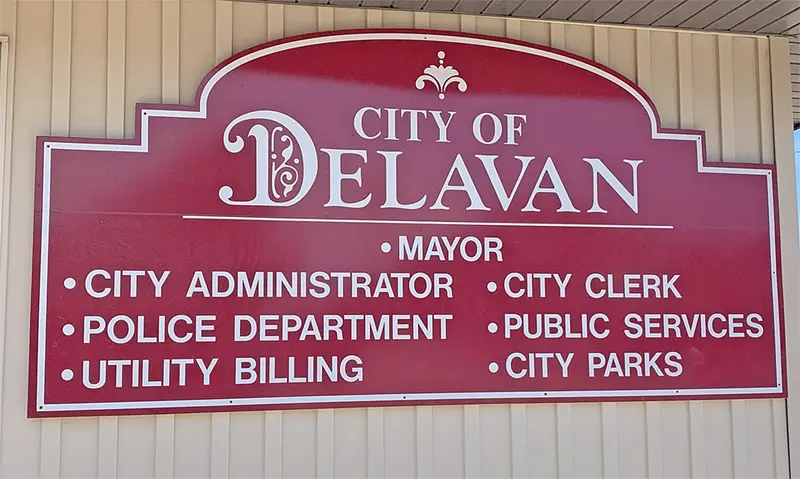
According to Chief Evans, residents should begin by contacting City Hall directly—whether in person, by phone, or by email—when they encounter property maintenance problems, zoning concerns, or other recurring neighborhood issues. City Hall staff route each complaint to the appropriate department, which may include zoning and inspections, the Police Department, or other City offices.
Residents may also reach out to their alderman, particularly when a concern is ongoing or affects a broader area. However, Evans noted that aldermen are not enforcement authorities; in most cases, they forward complaints to City Hall for formal handling.
Once a complaint is filed, City staff evaluate which department or departments are responsible for addressing it. Some situations, especially those involving complicated ownership or property condition issues, require coordination across multiple areas. Residents who provide contact information should expect acknowledgment that their concern has been received and, when appropriate, follow up communication. However, Evans cautioned that privacy laws, legal requirements, and active enforcement steps often limit the level of detail the City can share while a case is in progress. Many complaints are also submitted anonymously, which can further limit communication.
Chief Evans emphasized that the Police Department’s approach prioritizes voluntary compliance over immediate punitive action. “Citations alone do not typically resolve nuisance issues,” he explained, noting that his 22 years of service have shown that conversations and cooperative problem solving are more effective than issuing a strict seven day notice followed by fines ranging from $75 to $750 and mandatory court appearances.
Cleanup timelines can vary widely, Evans said, with some corrective actions requiring 30 days or more due to weather, work schedules, or financial constraints. While the City aims to be reasonable when property owners demonstrate a plan and steady progress, officials also remain mindful of the impact nuisance properties can have on surrounding residents.
Evans also acknowledged that staffing levels influence how quickly nuisance issues can be addressed. In past years, the Police Department assigned a dedicated officer to code related matters, but fluctuating staffing has sometimes required those responsibilities to be shared among patrol officers in addition to their regular duties.
The Chief urged residents to avoid relying on social media to report concerns. Official reporting channels ensure complaints are documented, investigated, and addressed appropriately, while social media posts often lack context and can unintentionally spread misinformation. The City does not monitor or respond to social media for enforcement matters, Evans said, noting that online discussions can quickly shift from information sharing to debate or personal criticism of staff.
Residents with nuisance concerns are encouraged to contact City Hall directly to ensure their reports are properly logged and routed for action.
